May 01, 2025
Fighting hunger and reducing preventable deaths in pregnancy and childbirth are top priorities for Zamzam’s health programmes
Saving the lives of acutely malnourished children and helping pregnant women to deliver their babies safely are among the top priorities for Zamzam’s health
programmes, according to the organisation’s Head of Health and Nutrition.
“In Somalia, hunger and unsafe childbirth are among the greatest challenges to
health and survival,” says Amina Abdinoor Ahmed (pictured). “We have alarmingly high levels of malnutrition and maternal death, particularly among families displaced from their homes by conflict and climate change.
“Zamzam Foundation is committed not only to providing healthcare for the most vulnerable, but also to improving access to health services in rural and hard-to-reach areas, as well as helping to reduce the spread of disease through immunisation, better water and sanitation facilities, and health education.”
Staggering statistics
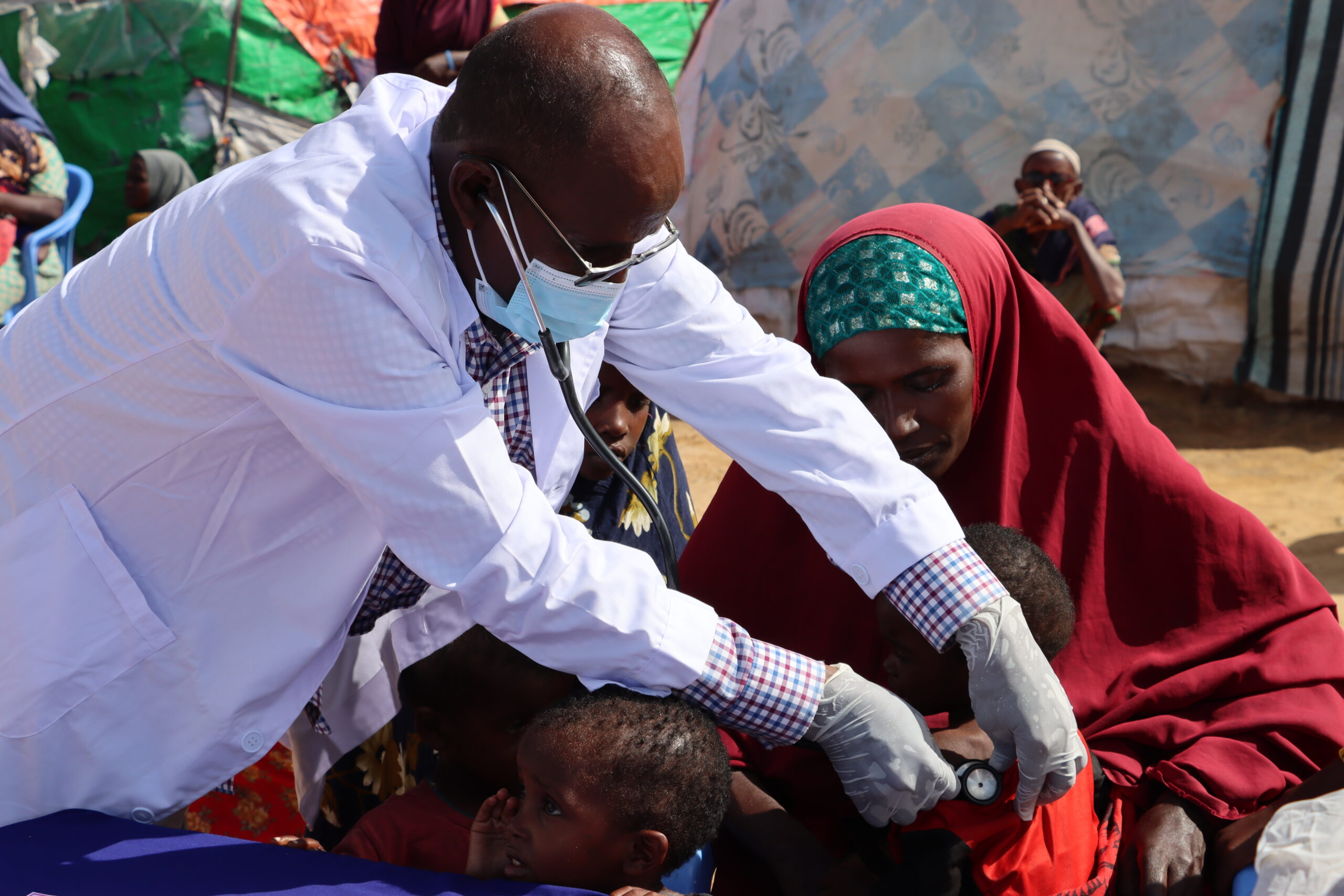
Approximately 1 in 20 pregnant women in Somalia dies in childbirth or from complications of pregnancy, and over 1.5 million Somali children are acutely malnourished.
The extensive Somali Health and Demographic Survey of 2020 found that 20% of under-fives were acutely malnourished, 27% were stunted (short in stature for their age) and 12% were wasting (of a dangerously low weight for their height).
In 2024, Zamzam’s health teams screened 28,201 women and children for malnutrition. Those found to be well-nourished received health education and preventive care, while those with severe or moderate malnutrition were enrolled in targeted treatment programmes, with regular follow-up.
Safer births and first-class maternity care
Zamzam provided prenatal, postnatal and delivery services to 31,497 women in 2024, with 3,777 giving birth in Zamzam’s seven primary healthcare centres.
Recognising that maternal health extends beyond clinical care, Zamzam also ensured through its community outreach staff that 18,600 mothers were able to participate in group counselling and mother-to-mother support groups, a safe space where women receive practical guidance on breastfeeding, infant feeding, newborn care, hygiene promotion and cooking.
“Good nutrition is a cornerstone of preventive healthcare,” explains Amina Abdinoor. “That is why health and nutrition go hand in hand in Zamzam’s approach, reflected in the name of my department.
“We take an integrated approach across all our programmes, not just within the health and nutrition department, because we understand that nutrition and good health are not only about provision of health services but also about improving water supplies and sanitation, improving food security and livelihoods so people can feed their families well, and strengthening public health awareness through education.”

From Nairobi to Mogadishu – via Dadaab
Amina Abdinoor Ahmed joined Zamzam Foundation in 2023, bringing years of hands-on experience in health, nutrition, and humanitarian programming to her role.
Raised in Nairobi by Kenyan parents with roots in Somalia and Yemen, Amina’s journey into humanitarian work began in the Dadaab refugee camp in eastern Kenya, where she first saw the realities of displacement up close.
She went on to support various international organisations working across Somalia, taking on roles that blended emergency response, gender-focused programming, and community recovery. Over time, Amina developed a strong track record in managing teams, coordinating field operations, and delivering results in challenging environments.
With academic training in both nutritional science and international relations, she combines technical knowledge with a deep understanding of the reality facing communities on the ground, helping to design and deliver effective support.
Making a positive difference – the Zamzam health team
The Zamzam health and nutrition team in Somalia consists of around 200 staff.
There are managers and technical specialists based at the organisation’s headquarters in Mogadishu, whose roles include providing technical advice and liaising with United Nations agencies and other aid organisations to ensure a coordinated approach. Most staff, however, are professional practitioners working in the field alongside the communities they serve – including nurses, midwives, pharmacists, lab technicians and community health workers.
“Community outreach is crucial,” Amina explains, “because you need to work with the community to earn their trust and that enables you to get alongside people and deliver training on everything from hand washing and breastfeeding to disease prevention and how to prepare nutritious food to deliver a balanced diet.”
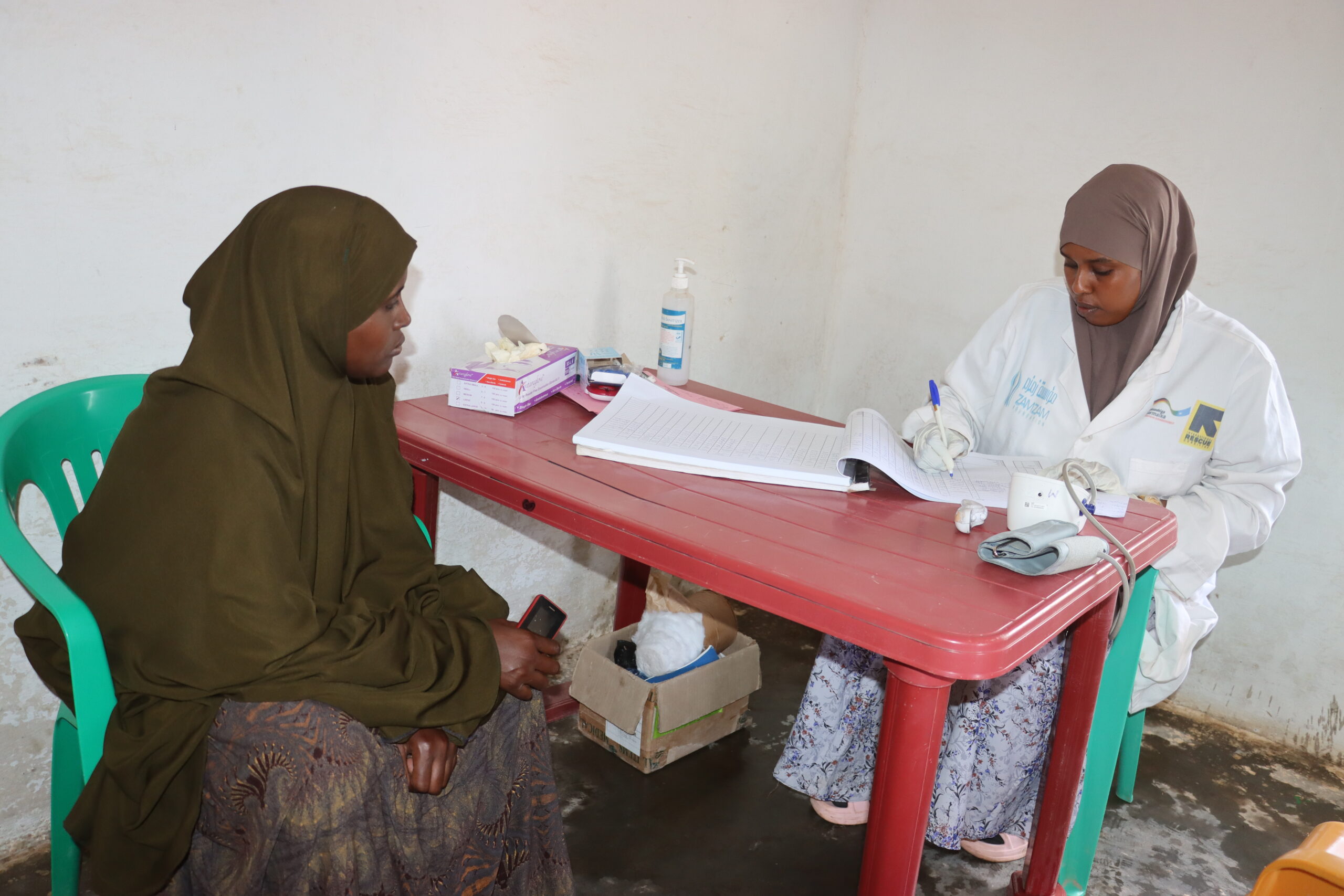
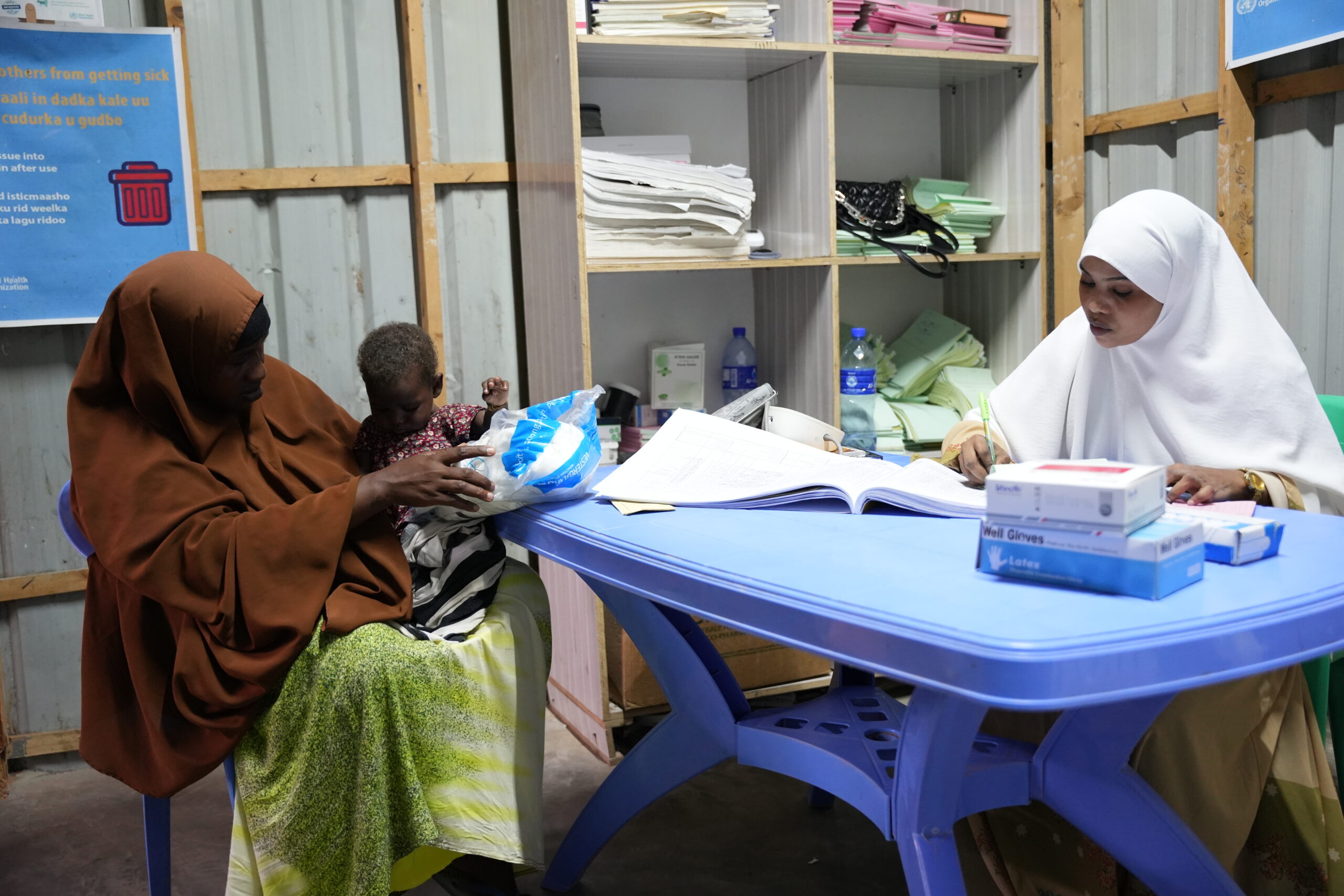
Zamzam Foundation has a network of 28 health clinics across Somalia, and provided health services to 210,959 people in 2024.
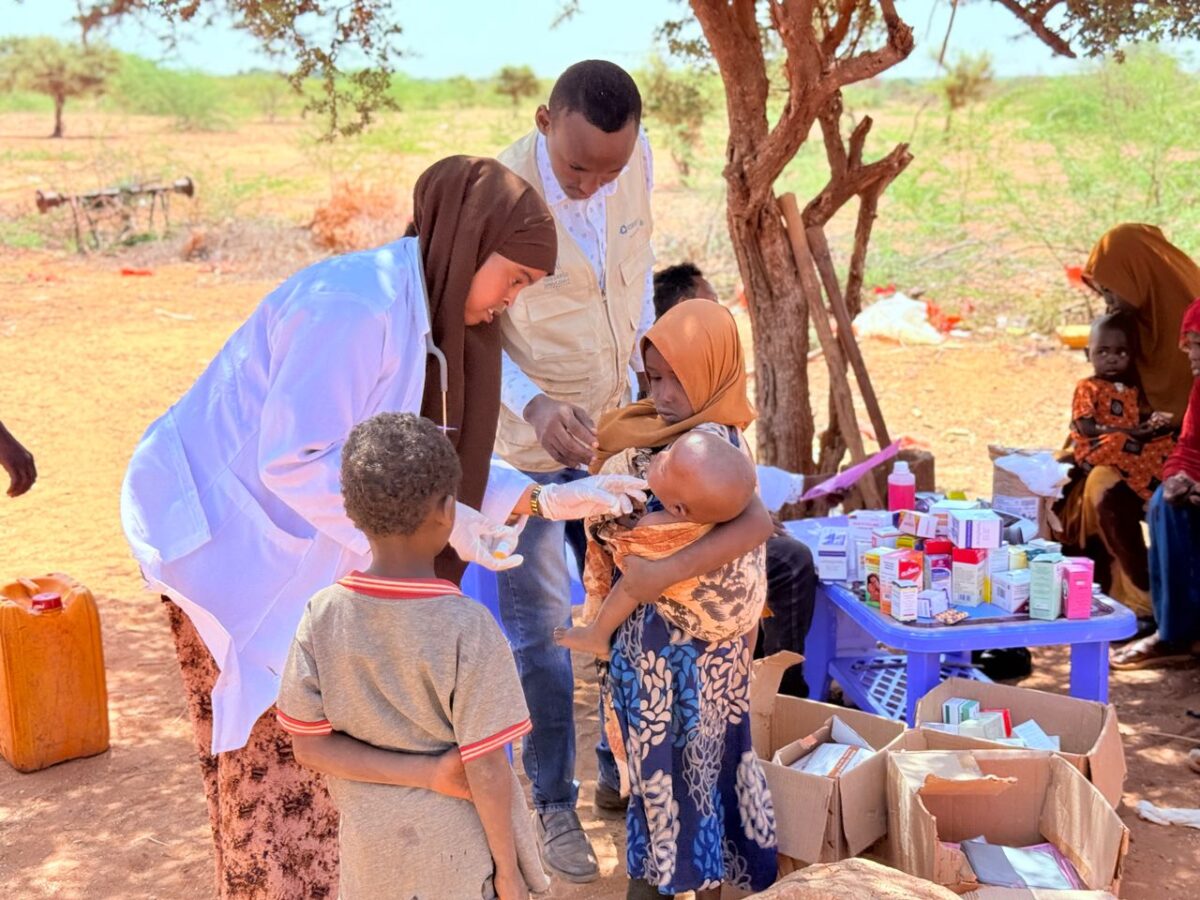
Alongside the organisation’s seven primary healthcare centres are five mobile clinics for outreach, treatment and health education serving displaced communities, remote rural areas and hard-to-reach communities. The organisation also runs 16 specialist clinics screening for and treating tuberculosis, a disease that is one of the country’s leading causes of death.
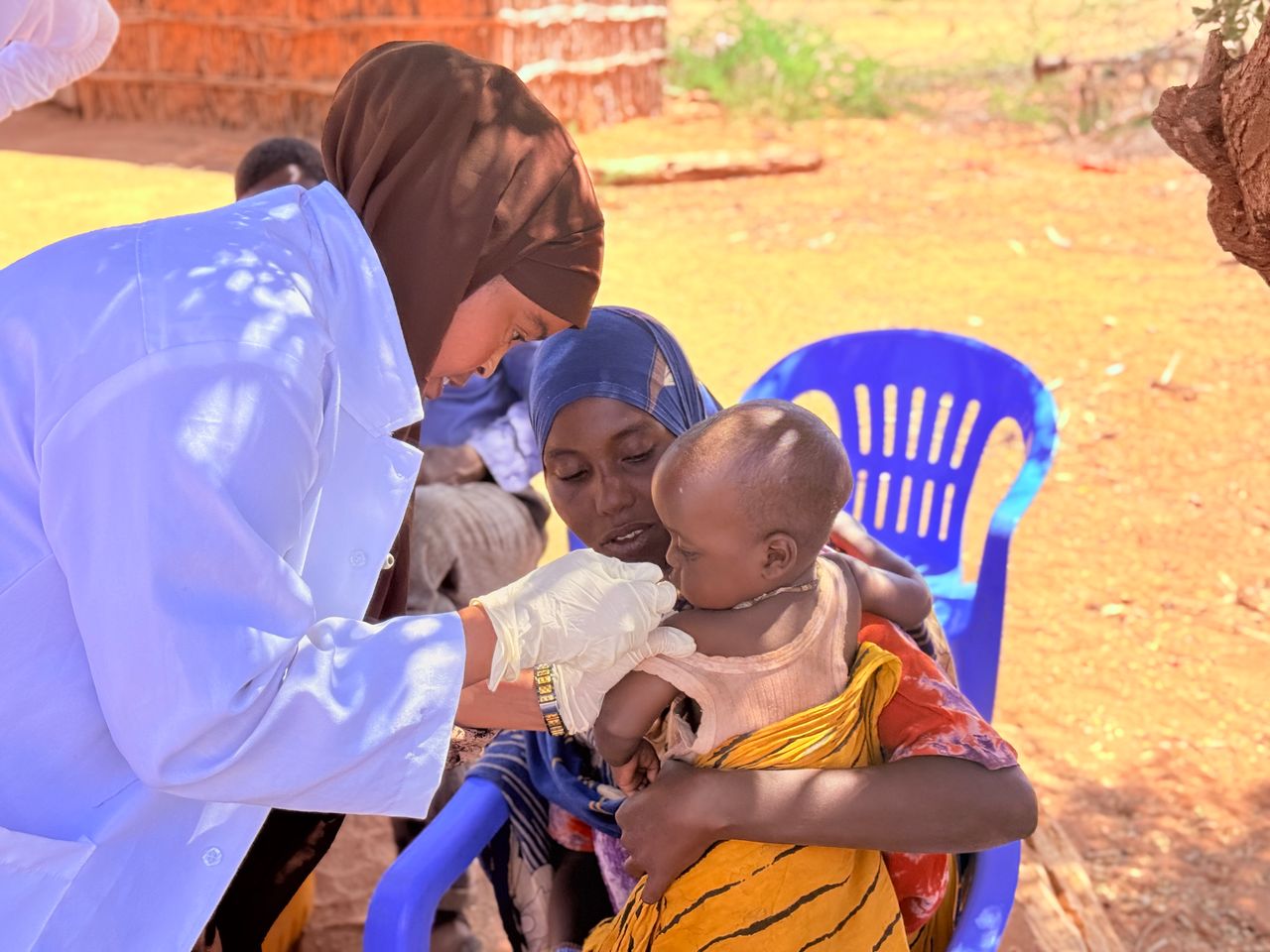
The immunisation programmes delivered through Zamzam clinics ensured that 13,646 children received full vaccine coverage in 2024 against TB and other diseases – an important contribution to protecting health and improving survival rates – while Zamzam surgeons performed over 2,500 sight-saving cataract operations.
Partnerships and plans for the future
Zamzam’s health programmes in Somalia are made possible through the support of several key partners locally and internationally.
International partners include Medair through the Dutch Relief Alliance (DRA); the International Rescue Committee (IRC) with funding from the German Federal Foreign Office (GFFO); and World Vision through support from both the Bill and Melinda Gates Foundation (BMGF) and the European Community Humanitarian Office (ECHO) – alongside additional non-traditional donors.
Supporters in the UK can support this work by donating to the Zamzam UK Brighter Futures health fund.
Amina is hopeful for the future, despite the many challenges Somalis face. “If you compare where we are now with where we were 15 years ago, there is a huge difference,” she says.
“Our country is more stable, health services have improved, and people’s health is also improving. My vision is to build community resilience so that families are better able to withstand the challenges they face, whether that means health problems, climate change, or conflict.
“We need to keep on doing what we are doing, and we need to showcase our best work more effectively in order to attract more support and save more lives.”