8 million Somalis (41%) lack access to safe water and sanitation
Waterborne diseases are Somalia’s third-biggest killer
Women may walk over 10km a day in search of clean water
Clean water with Zamzam
Through decades of work in Somalia, Zamzam has delivered life-changing water access, sanitation and hygiene services across communities.
- Shallow wells — have a depth of 10-15m and fitted with a hand pump provides a source of water to approximately 65 families for £2,100. Last year, Zamzam Foundation drilled 90 and rehabilitated a further 9 wells, providing clean water to over 72,000 people
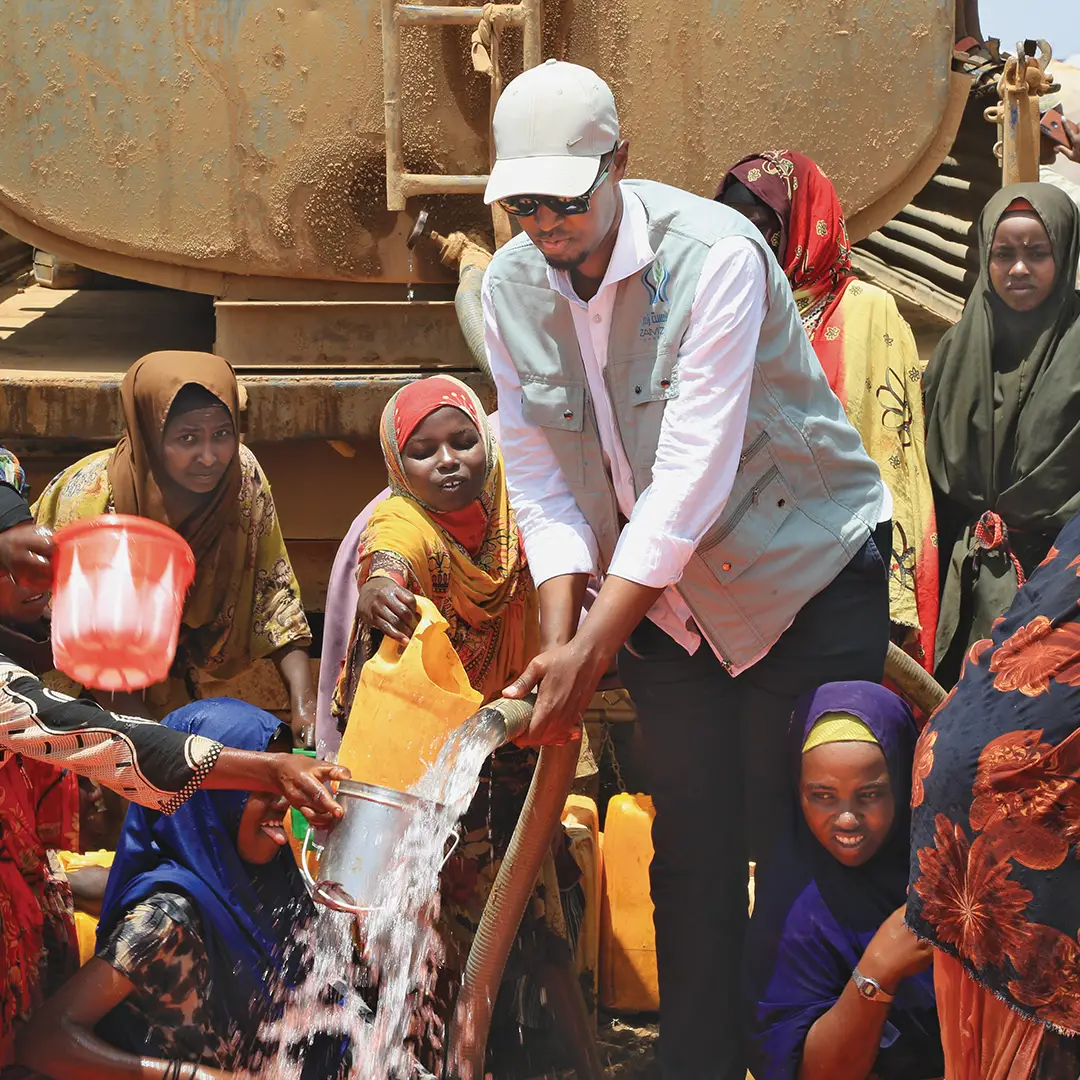
- Water trucks – Used in different scenarios, including emergencies, where much needed water is delivered to communities with trucks. £130 can deliver clean, fresh water to 70 families
- Sanitation and hygiene services — To prevent waterborne disease and promote dignity, Zamzam builds latrines, distributes hygiene kits, and runs hygiene-awareness programmes.
- Community water-management training — Wells and water points are managed by local committees to ensure sustainability, safe maintenance and fair access to the vital community facilities we provide.
- Resilience against drought and instability — Reliable, local water sources mean communities are better protected when the rains fail or environmental disasters strike.
Because water is fundamental — for health, dignity, livelihoods and hope — our clean-water work is at the heart of Zamzam’s mission.
Clean water changes everything
For millions of people in Somalia, access to safe water is not a given.Around 8 million Somalis — over 40% of the population — lack reliable access to safe water and basic sanitation.
This water shortage isn’t just an inconvenience — it’s a matter of life or death. Waterborne diseases are among Somalia’s deadliest killers, leaving children and vulnerable families at grave risk.
With climate change, droughts and increasing pressure on resources, water insecurity threatens food, health, livelihoods — and entire communities. Our clean water programme aims to end that cycle.
Why clean water matters
Survival and health
Without safe water and sanitation, waterborne diseases like cholera and diarrhoea spread rapidly — especially among children. Clean water reduces these risks dramatically.

Education and opportunity
When water is near home, children — especially girls — no longer have to walk for hours to collect it. Instead, they can go to school, study, and build a future.

Dignity and safety
Access to clean water and sanitation protects human dignity, promotes hygiene, and reduces the physical and social burden on the most vulnerable — especially women and girls.
Stability and sustainability
Reliable water means families can farm, earn income, and plan for the future. It builds resilience against drought, displacement, and crisis.

Used to walk for miles
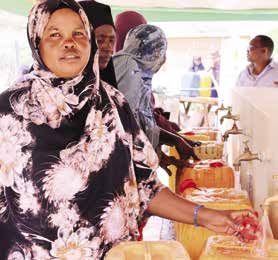
Getting safe water on tap in her home village in Lower Shabelle region is saving Nimco Cali Ibraahim a lot of time every day, thanks to the new borehole we provided.
“We used to walk for miles in search of clean water, which required a lot of effort and energy,” the 34-year-old explains. “This borehole has profoundly changed our lives, and the lives of everyone in our village.”
Now Nimco is hoping to find work to supplement her family’s earnings – something she did not have time for before. More income will help feed her children and make healthcare and education more affordable.