Somalia’s climate crisis

Somalia is ranked seventh among 187 countries for climate change vulnerability

The average US citizen produces more carbon emissions than six Somalis
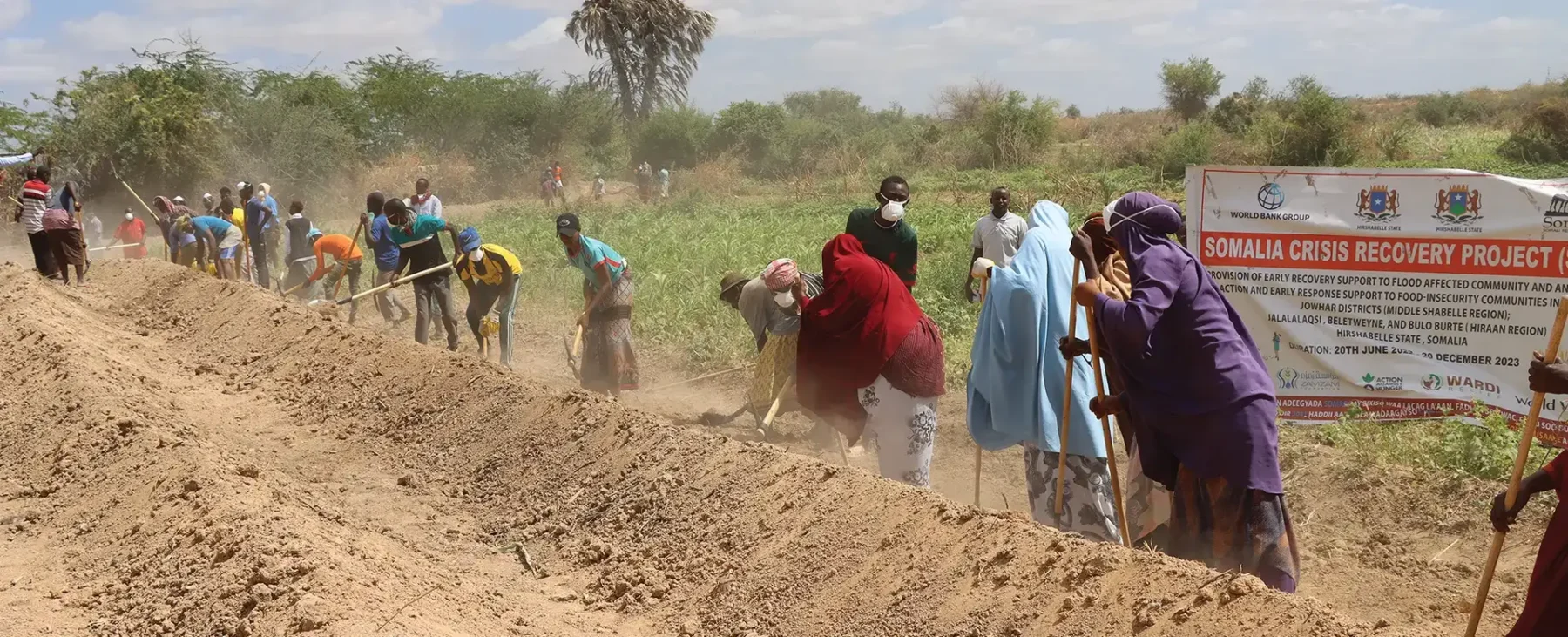
In 2023 Somalia’s worst drought on record came to an end but was swiftly followed by severe floods. In a single year the weather lurched from one extreme to the other, demonstrating how exposed the country is to the impact of climate change.
Tens of thousands of people and millions of livestock perished in the drought of 2021-23, while millions of people saw their agricultural livelihoods decimated. The 2023 floods adversely affected 2.5 million people, driving 1.2 million from their homes.
Somalia is ranked as the seventh-most climate-vulnerable nation on earth by the authoritative University of Notre Dame Global Adaptation Initiative (ND-GAIN). ND-GAIN bases its rankings on the vulnerability of six-life supporting sectors in every country – food, water, health, ecosystem services, human habitat and infrastructure.
The country’s comparatively modest carbon emissions were 43.6 million tonnes in 2020 and its per-capita emissions 2.74 tonnes. This indicates that the average US citizen produced more emissions than six individuals in Somalia. Yet low-emissions-high-vulnerability countries like Somalia are feeling the heat as climate change fuels increasingly frequent and severe droughts, floods and tropical storms.
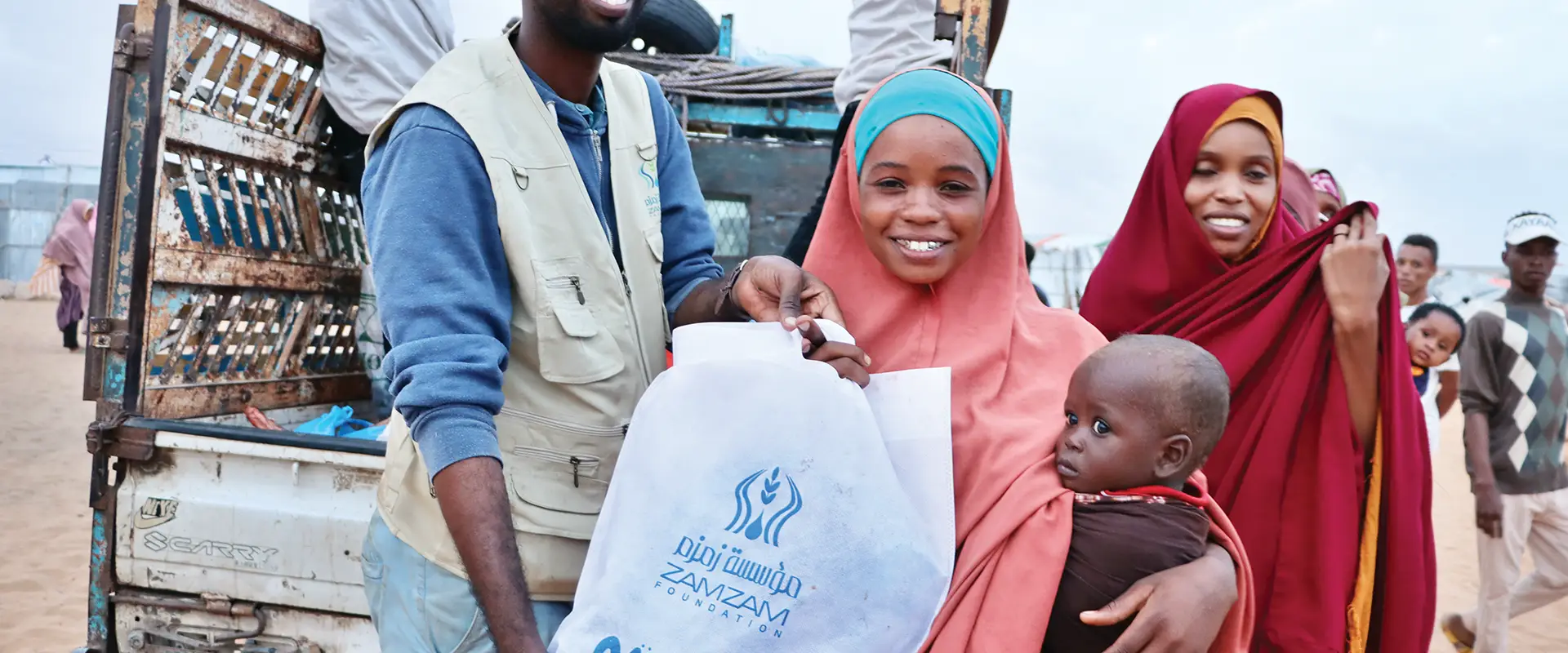
All Zamzam Foundation’s programmes take account of climate change and the need to help communities adapt to it, and these are programmes that you can support by donating to Zamzam UK:
How your donation can benefit families ravaged by climate change and build their resilience against future shocks
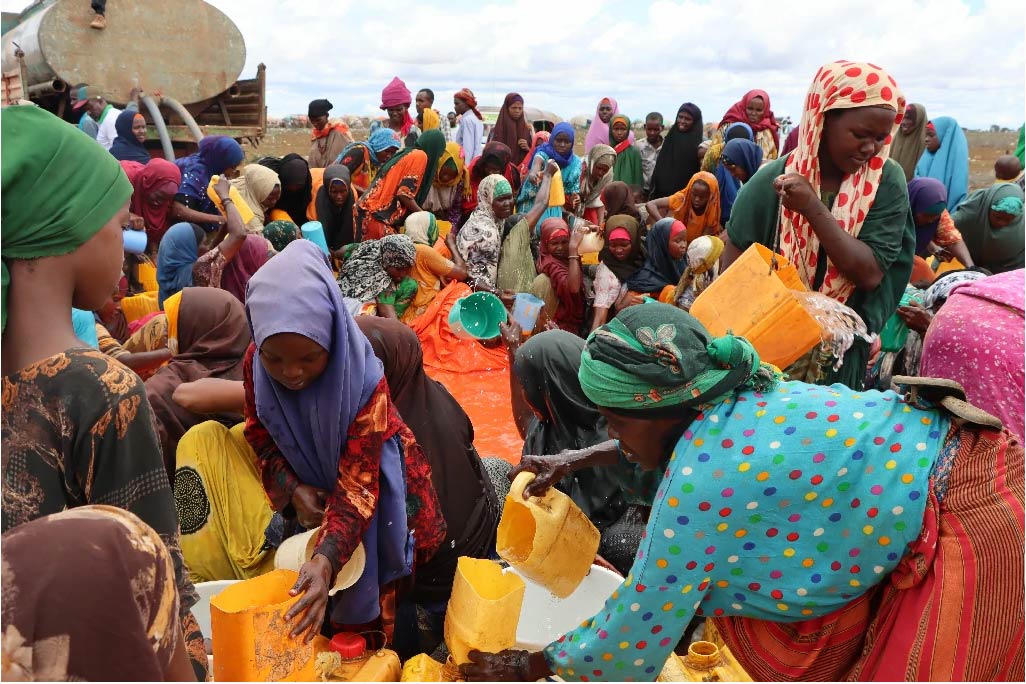
£26 provides a family with clean water for life*
Through drilling of a community borehole providing a plentiful supply of water from deep below ground for people and their animals